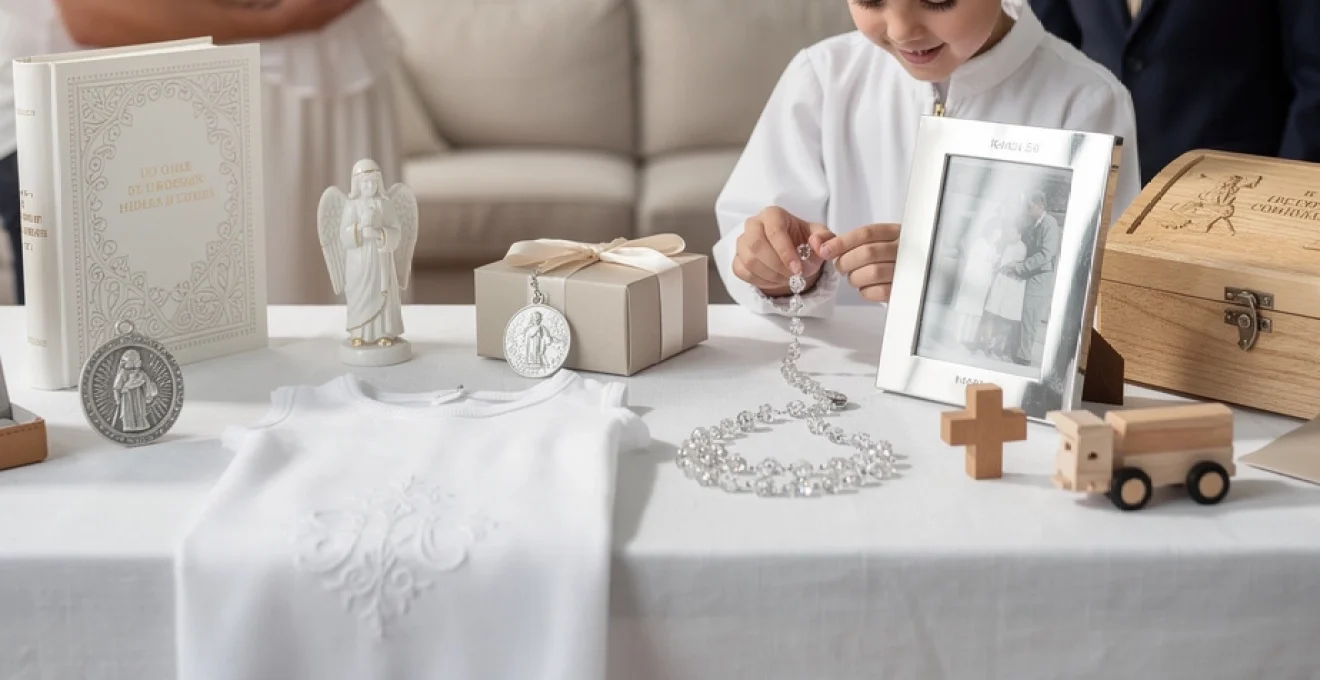
Selecting the perfect gift for a baptism or communion ceremony represents far more than a simple gesture of goodwill. These sacred milestones mark profound spiritual transformations in a person’s faith journey, whether they’re welcoming an infant into the Christian community or celebrating a child’s deeper commitment to their beliefs. The right gift serves as both a meaningful commemoration of the occasion and a lasting reminder of the love, support, and prayers surrounding the recipient.
Religious celebrations have evolved significantly over the centuries, yet the tradition of gift-giving remains deeply rooted in expressing spiritual solidarity and blessing the recipient’s faith journey. Modern families often treasure these ceremonial gifts for decades, passing them down through generations as cherished heirlooms that connect family members to their spiritual heritage. Understanding the significance of these occasions helps guide your selection towards gifts that will truly resonate with both the immediate celebration and the recipient’s lifelong spiritual development.
Traditional religious gift categories for baptism and communion ceremonies
The most enduring and meaningful gifts for religious ceremonies typically fall within well-established categories that have proven their spiritual and sentimental value across generations. These traditional options provide both immediate significance and lasting relevance as the recipient grows in their faith understanding.
Sterling silver cross pendants and engraved crucifixes
Sterling silver crosses represent perhaps the most universally recognised symbol of Christian faith, making them exceptional choices for both baptism and communion celebrations. The durability of sterling silver ensures these pieces will withstand daily wear whilst developing a beautiful patina over time. Many families choose to have the recipient’s name and ceremony date professionally engraved on the reverse side, creating a personalised keepsake that transforms a beautiful piece of jewellery into a treasured family heirloom. The cross serves as a constant reminder of Christ’s sacrifice and the recipient’s commitment to following His teachings.
Personalised holy bible editions with custom leather binding
A beautifully bound Bible represents one of the most practical yet profoundly meaningful gifts you can offer. Custom leather-bound editions often feature gold-embossed names and ceremony dates on the cover, creating an immediately personal connection to the sacred text. Consider selecting age-appropriate translations that will grow with the recipient, such as contemporary English versions for younger children that can later be supplemented with more traditional translations. Quality leather bindings ensure these Bibles will endure years of study and reflection, whilst personal inscriptions from gift-givers add emotional depth to this spiritual foundation.
Guardian angel figurines and saint christopher medals
Protective religious items carry special significance for families seeking divine guardianship over their loved ones. Guardian angel figurines often find permanent homes in nurseries or bedrooms, serving as gentle reminders of heavenly protection. Saint Christopher medals, traditionally associated with safe travels, have expanded in modern interpretation to represent general protection and guidance through life’s journeys. These items offer comfort to both recipients and their families, particularly during challenging times when tangible symbols of faith provide emotional anchoring.
Crystal rosary beads with swarovski elements
Premium rosaries incorporating genuine crystal or Swarovski elements combine devotional functionality with exceptional beauty. The tactile experience of praying with quality beads enhances the meditative aspects of rosary recitation, whilst the visual appeal encourages regular use. These sophisticated pieces often become treasured possessions that accompany recipients throughout their spiritual lives. The investment in quality materials reflects the significance of the occasion and demonstrates the gift-giver’s recognition of the recipient’s spiritual commitment.
Age-appropriate gift selection methodology for different ceremony types
Successful gift selection requires careful consideration of the recipient’s age, developmental stage, and the specific ceremony being celebrated. Each religious milestone occurs at distinct life phases, demanding tailored approaches to ensure your gift resonates meaningfully with the recipient’s current understanding whilst remaining relevant as they mature.
Infant baptism gift protocols for newborns to 12 months
Gifts for infant baptisms primarily serve the immediate family whilst establishing meaningful connections for the child’s future spiritual development. Practical considerations include safety requirements and the reality that infants cannot directly engage with complex religious items. Baptismal blankets
Baptismal blankets, soft prayer cloths and plush scriptural toys are excellent starting points, combining comfort with subtle faith symbolism. Silver or gold-plated keepsake bracelets and small cross pendants can be gifted with the understanding that they will be worn when the child is older, while still marking the exact sacramental moment. Many families also appreciate framed baptism certificates, personalised baptism candles and christening photo frames that can be proudly displayed in the nursery. When selecting a baptism gift for a baby, prioritise smooth edges, non-toxic materials and items that can be safely displayed out of reach until the child is old enough to handle them.
For close relatives and godparents, it is common to combine a symbolic religious gift with a practical contribution such as a savings bond or education fund deposit. This dual approach acknowledges both the child’s spiritual journey and their long-term wellbeing. You might also consider gifting a beautifully illustrated children’s Bible or board book that parents can begin reading aloud from infancy, planting seeds of faith long before the child is able to read independently. Thoughtful notes or written blessings tucked inside these gifts become precious keepsakes that parents often revisit on future sacramental anniversaries.
Child baptism present guidelines for ages 1-7 years
When a child is baptised between the ages of one and seven, they are usually beginning to form early memories and can engage more directly with religious objects. At this stage, gifts that are both visually appealing and tactile help bring Christian stories and symbols to life. Picture Bibles, saint-themed storybooks and age-appropriate prayer books are ideal, as they encourage parents and children to read together and establish simple prayer routines. Soft statues, wooden crosses and durable guardian angel figurines can be safely displayed in the child’s bedroom as daily visual reminders of God’s presence.
Many families also appreciate interactive gifts that support early catechesis in a playful way, such as wooden nativity sets, puzzle-style rosaries or child-friendly prayer card sets with simple, short prayers. For a more traditional touch, consider a small sterling silver cross pendant, a child-sized rosary made with larger beads or a personalised wall plaque featuring the child’s name, baptism date and a favourite scripture verse. Because children at this age quickly outgrow clothing and toys, prioritising baptism gifts with lasting spiritual relevance ensures your present remains meaningful long after the initial celebration has passed.
First holy communion gift standards for 7-9 year recipients
First Holy Communion typically occurs when children are old enough to understand, at least in part, the sacredness of receiving the Eucharist. As a result, communion gifts can focus more directly on nurturing personal devotion and responsibility in the child’s faith life. A high-quality first communion rosary, a beautifully illustrated missal or a child-friendly daily devotional book all serve to deepen their connection with the Mass and daily prayer. Sterling silver cross necklaces, delicate bracelets with Eucharistic symbols and engraved medals of their chosen patron saint are also very popular.
Because children in this age bracket are proud of their growing independence, they often appreciate items they can use on their own, such as a personalised prayer journal, a small standing crucifix for their bedside table or a decorative holy water font for their bedroom wall. You might also consider gifting a keepsake box where they can store their communion certificate, photographs and other small religious items collected over the years. When choosing a first communion gift, ask yourself: will this help the child remember the importance of the Eucharist and encourage them to continue attending Mass with reverence and joy? If the answer is yes, you are likely on the right track.
Confirmation ceremony present criteria for adolescent candidates
Confirmation gifts are directed towards young people, often teenagers, who are publicly affirming their faith and assuming greater responsibility within the Church. At this stage, recipients are forming adult identities and personal spiritual preferences, so gifts should reflect both maturity and individuality. Fine jewellery such as sterling silver or gold saint medals, cross pendants or subtle faith-based bracelets can provide dignified, wearable reminders of their commitment. Many families choose medals or jewellery that feature the confirmation saint selected by the candidate, reinforcing their spiritual role model.
Thoughtful books are especially appropriate for confirmation, including accessible introductions to theology, biographies of modern saints or devotional texts that address common questions young Catholics may have. A leather-bound Bible, a stylish prayer journal or a high-quality study guide such as a youth catechism can support ongoing formation. For practical daily use, consider elegant wall crosses, framed scripture prints suitable for a teenage bedroom or dorm room, or travel-friendly rosaries designed for older youths. The best confirmation gifts acknowledge the candidate as a young adult in the faith, offering tools and symbols that they can confidently integrate into their everyday life.
Personalisation techniques and custom engraving options
Personalisation transforms a beautiful religious item into a singular keepsake that reflects the unique story of the recipient’s baptism or communion celebration. In a world of mass-produced products, custom details such as names, dates and favourite scripture verses signal thoughtfulness and long-term intention. Whether you opt for engraving, embroidery or printed inscriptions, personalisation anchors the gift to a specific spiritual milestone, making it easier for future generations to trace family and faith history. The extra effort invested in customisation often elevates even modestly priced items into heirloom-quality treasures.
Laser engraving methods for metal religious keepsakes
Laser engraving has become the preferred method for personalising metal religious items such as sterling silver cross pendants, saint medals and crucifix plaques. This technique uses precise, computer-guided lasers to etch lettering or designs onto the surface, resulting in crisp, durable markings that resist fading or wear. Unlike traditional hand engraving, laser methods can reproduce intricate fonts and even simple line-art symbols, allowing you to incorporate meaningful motifs like doves, chalices or olive branches alongside the recipient’s name and sacramental date.
When planning engraving for a baptism or communion gift, consider both the available space and the long-term legibility of your chosen text. Short, impactful phrases such as “Child of God”, “First Holy Communion” or a brief scripture citation are often more effective than lengthy messages. It can be helpful to think of the engraved item as a miniature time capsule: what key details would you want a future grandchild or great-grandchild to recognise at a glance? Coordinating engraving styles across several pieces, such as a medal, jewellery box and photo frame, can also create a cohesive set of keepsakes marking the same sacramental event.
Embroidered monogramming on baptismal blankets and christening gowns
Textile-based gifts like baptismal blankets, christening gowns and ceremonial bibs lend themselves beautifully to embroidery and monogramming. High-quality threadwork not only adds visual elegance but also reinforces the durability of names and dates, ensuring they remain legible after years of use and washing. Monograms featuring the child’s initials, often paired with a small cross or dove motif, strike a classic balance between personal and traditional. Some families choose to include the full baptism date or a short blessing phrase along the hem or corner of the garment.
Because many christening gowns and blankets are intended to be passed down through siblings or even across generations, you may wish to keep embroidery placements discreet, such as on an inner lining or removable sash. This allows each child to wear the same garment while still receiving a personalised accessory like a bib, bonnet or blanket corner that is uniquely theirs. As you select fonts and thread colours, aim for timeless styles that will not appear dated in photographs decades later. Soft neutrals, gold, silver or pastel tones generally complement both traditional and modern baptism attire.
Custom photo frame integration with ceremony date inscription
Photo frames are natural candidates for personalisation because they highlight one of the most cherished aspects of any baptism or communion: the images capturing that special day. Custom frames may include carved or printed text along the border, an engraved metal nameplate or even a double aperture design featuring both a photograph and a printed blessing. Including the recipient’s name, the sacrament celebrated and the ceremony date ensures that future viewers can immediately understand the significance of the image.
For a coordinated display, some families opt for a series of frames that mark each major sacrament over time, such as baptism, first communion and confirmation. Matching or complementary designs help create a visual narrative of the individual’s spiritual journey when displayed together on a wall or mantlepiece. When ordering custom frames, check whether the manufacturer offers options for adding a favourite verse or prayer, such as “The Lord bless you and keep you” or “Do this in memory of me”. This small addition can transform a simple photograph into a daily reminder of God’s grace at work in the recipient’s life.
Bespoke jewellery box design with sacred motifs
Jewellery boxes provide both practical storage and an elegant canvas for religious symbolism, making them ideal for baptism, communion and confirmation gifts. Bespoke designs can incorporate carved crosses, fish symbols, doves or depictions of guardian angels on the lid, while the interior may include a soft lining embroidered with the recipient’s name or a short blessing. Adding a personalised plaque inside the lid with the sacrament type and date subtly links the box to a particular milestone without overwhelming the exterior aesthetic.
Think of a customised jewellery box as the “home” for other religious keepsakes such as rosaries, medals, and small devotional items. Over time, the box itself becomes a visual summary of the recipient’s faith journey, containing treasures from multiple ceremonies and life stages. For younger recipients, you might choose a more whimsical design in pastel colours, while adolescents often prefer minimalist, modern styles in wood, leather or metal. In either case, prioritise quality hinges and finishes so that the box can endure years of opening and closing, perhaps even being handed down as a family heirloom.
Modern alternative gifts beyond traditional religious items
Whilst classic religious gifts remain central to many baptism and communion celebrations, a growing number of families also appreciate modern alternatives that support the recipient’s broader wellbeing and spiritual formation. These contemporary options can complement traditional items, much like a sturdy frame supports a painting. For instance, contributing to a child’s education savings plan or setting up a charitable donation in their name reflects Christian values of stewardship and generosity, even if the gift is not a physical religious object.
Experience-based gifts are increasingly popular for older children and adolescents. You might sponsor a place on a faith-based summer camp, retreat or youth pilgrimage, providing the recipient with formative encounters that deepen their relationship with God and the Church community. Subscription services such as monthly faith-themed book clubs, devotional boxes or digital resources can also deliver ongoing spiritual nourishment long after the ceremony has ended. For tech-savvy families, thoughtfully curated playlists of worship music or access to high-quality faith-education apps can serve as modern tools for prayer and learning.
Another thoughtful modern alternative involves creating a “spiritual support portfolio” in the form of handwritten letters or recorded messages from godparents, grandparents and close friends. Each message can include a favourite scripture, personal encouragement and a promise of prayer, to be revisited at future milestones such as confirmation or graduation. This approach acknowledges that, while physical gifts may fade or break over time, the spiritual encouragement and wisdom of loved ones can guide the recipient for decades. By balancing traditional religious items with creative, contemporary gestures, you ensure that your baptism or communion gift feels both deeply rooted and refreshingly relevant.
Premium gift price points and budget allocation strategies
Determining how much to spend on a baptism or communion gift can be challenging, especially when you want to honour the occasion without creating financial strain. In practice, the emotional and spiritual significance of a gift rarely correlates directly with its price tag. A modestly priced, thoughtfully chosen item can carry as much weight as a luxury piece, particularly when it is personally meaningful or accompanied by a heartfelt message. Nevertheless, having a general price framework can help you navigate choices with confidence.
Many guests find it helpful to align their budget with the closeness of their relationship to the recipient. For example, acquaintances or distant relatives might comfortably spend within a lower price range, selecting a beautiful but simple item such as a small cross, children’s prayer book or framed print. Close family members and godparents often choose to invest more, perhaps in sterling silver jewellery, custom leather-bound Bibles or premium rosaries with crystal or Swarovski elements. In some cases, godparents may coordinate among themselves or with grandparents to share the cost of a higher-value present, such as a full set of sacramental keepsakes or a combined spiritual and financial gift.
When planning your budget, consider splitting it between a tangible religious item and a less visible but equally meaningful contribution, such as a donation to the parish, a charity aligned with Christian values or an education fund for the child. This dual strategy reflects both immediate celebration and long-term support. Ultimately, the most important factor is integrity: choose a baptism or communion gift that sits comfortably within your means, reflects genuine care and aligns with the spiritual importance of the ceremony. Thoughtfulness, not extravagance, is what makes a present truly memorable.
Gift presentation protocol and ceremonial etiquette guidelines
The way you present a baptism or communion gift can significantly enhance its impact, underscoring the reverence of the occasion. Simple but respectful presentation practices signal that you understand the spiritual significance of the ceremony. Opt for tasteful wrapping in soft, neutral or pastel tones, perhaps accented with a small cross sticker, ribbon or gift tag featuring a short blessing or scripture verse. Including a handwritten card that explains why you chose this particular gift and how you will be praying for the recipient adds emotional depth that no packaging could replace.
In terms of timing, many families prefer to exchange gifts at the reception or gathering following the ceremony rather than in the church itself, maintaining the sanctuary as a space focused on worship. If you are unsure, you can discreetly ask the parents or hosts about their preference. When handing over the gift, a brief verbal blessing or expression of joy for the child’s faith journey can be very meaningful. For example, you might say, “We pray this will always remind you of how loved and supported you are in your walk with Christ.”
Etiquette also extends to respecting family traditions and denominational practices. Some Christian communities have specific customs regarding who gives certain items, such as baptismal candles or christening gowns, so it is wise to ask beforehand to avoid duplication or unintentional overstepping. Likewise, if you know the family prefers understated celebrations, a modest, quietly presented gift will likely be more appropriate than something overtly lavish. By approaching both the choice and presentation of your gift with sensitivity, humility and joy, you help ensure that the focus remains where it belongs: on the sacred grace of the baptism or communion itself and the recipient’s unfolding relationship with God.