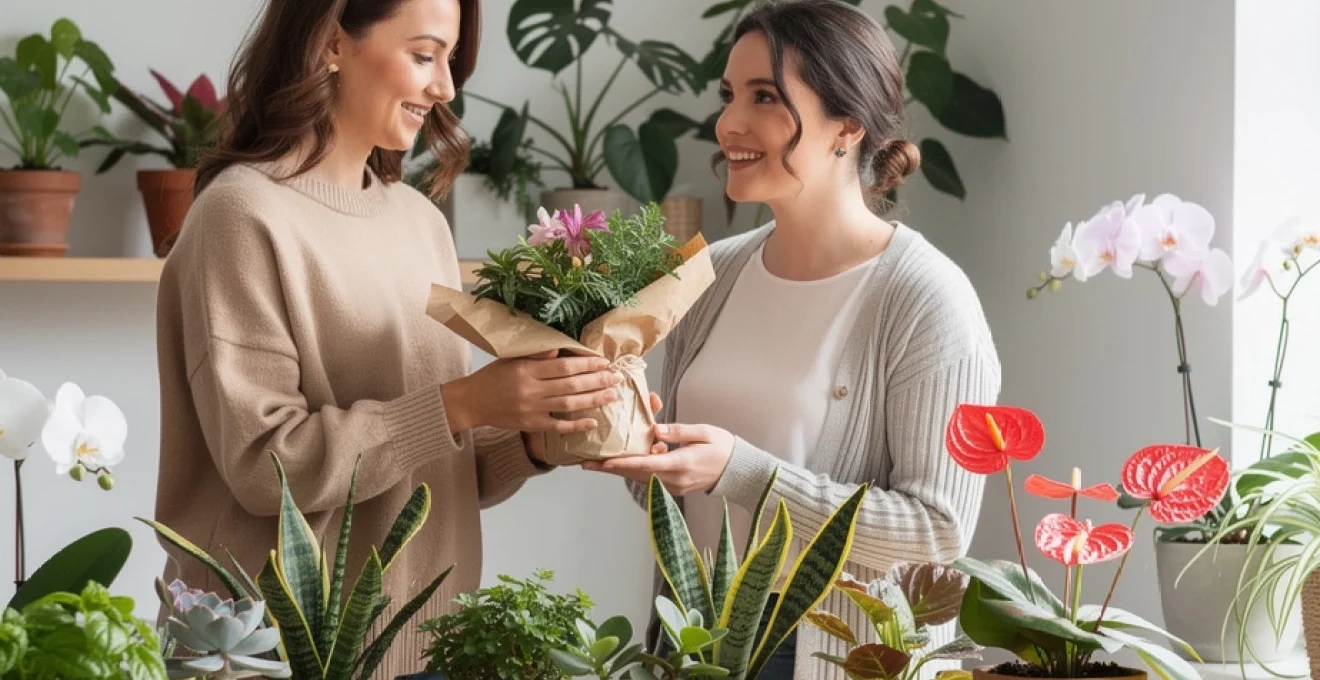
Plant gifting has evolved from a simple gesture into a meaningful art form that connects people through living, growing expressions of affection. In an era where sustainability and wellness have become paramount concerns, offering a plant as a gift transcends traditional present-giving by providing something that purifies air, reduces stress, and serves as a lasting reminder of the giver’s thoughtfulness. Whether you’re celebrating a milestone birthday, expressing sympathy, or simply showing appreciation, selecting the right botanical specimen requires understanding both the recipient’s lifestyle and the plant’s specific characteristics. This comprehensive guide explores the finest plant options across various categories, from beginner-friendly succulents to rare collector’s specimens, ensuring your gift will thrive and bring joy for years to come.
Low-maintenance succulents and cacti for beginner plant enthusiasts
Succulents and cacti represent the ideal entry point for those new to plant care, offering remarkable resilience alongside striking visual appeal. These water-storing specimens have evolved to survive harsh conditions, making them exceptionally forgiving of irregular watering schedules and less-than-perfect care routines. For gift-givers, this translates to confidence that the recipient won’t inadvertently harm their new plant through benign neglect. The succulent family encompasses hundreds of varieties, each with distinct textures, colours, and growth patterns that suit different aesthetic preferences and living situations.
The beauty of gifting succulents lies in their versatility and longevity. Unlike cut flowers that wither within days, a well-chosen succulent can flourish for decades with minimal intervention. These plants typically require watering only every two to three weeks, making them perfect for busy professionals, students, or anyone who travels frequently. Their compact size suits small urban apartments, whilst their architectural forms add visual interest to minimalist interiors. Research from the University of Technology Sydney demonstrates that even small potted plants can reduce stress levels by up to 37%, making succulents not merely decorative objects but wellness tools that enhance daily life.
Echeveria elegans: the mexican snowball’s resilience and aesthetic appeal
Echeveria Elegans, commonly known as the Mexican Snowball, presents one of the most visually striking yet undemanding options for plant gifts. This rosette-forming succulent features pale blue-green leaves arranged in perfect geometric patterns, creating a living sculpture that appeals to design-conscious recipients. The plant’s powdery coating, called farina, provides natural sun protection whilst giving it an ethereal, frost-touched appearance. During late winter and spring, it produces coral-pink flowers on arching stems, adding unexpected colour to its already impressive profile.
What makes Echeveria Elegans particularly gift-worthy is its remarkable tolerance for varying light conditions and watering frequencies. Whilst it prefers bright, indirect light, it adapts reasonably well to lower light situations, though growth may slow. The plant’s thick leaves store substantial water reserves, allowing it to survive weeks without irrigation. For gift presentation, these succulents look stunning in ceramic containers, terrarium arrangements, or planted alongside complementary species in shallow bowls. They propagate readily from leaf cuttings, enabling the recipient to share offspring with others, perpetuating the gift’s legacy.
Aloe vera: medicinal properties and minimal watering requirements
Aloe Vera stands out as perhaps the most practical plant gift, combining ornamental appeal with genuine therapeutic benefits. This succulent has served humanity for millennia, with archaeological evidence suggesting its use dating back to ancient Egyptian times. The plant’s gel-filled leaves contain over 75 potentially active compounds, including vitamins, minerals, amino acids, and enzymes that soothe burns, moisturise skin, and promote wound healing. For home cooks, gardeners, or anyone who works with their hands, having an Aloe Vera plant readily accessible provides natural first aid for minor kitchen burns and skin irritations.
From a care perspective, Aloe Vera exemplifies low-maintenance growing. It thrives in bright, indirect light near sunny windows and requires watering only when the soil completely dries out, typically every three to four weeks. The plant’s thick, fleshy leaves signal its water status visually—plump leaves indicate adequate hydration, whilst slightly shrivelled ones suggest it’s time to water. Aloe
leaves will also develop a slightly duller colour when thirsty, acting like a built-in reminder for beginners. For gifting, Aloe Vera pairs beautifully with minimalist pots in neutral tones, making it easy to integrate into almost any interior style. You can even include a small care card outlining how to harvest the gel safely, turning a simple plant into a practical, wellness-focused present.
Haworthia fasciata: zebra plant’s adaptability to indoor environments
Haworthia Fasciata, often called the Zebra Plant, is an excellent choice when you want a compact, forgiving succulent that thrives in typical indoor conditions. Its dark green leaves are banded with white horizontal stripes, creating a bold, graphic look that appeals to design lovers and minimalists alike. Unlike many succulents that demand strong sunlight, Haworthia tolerates medium to low indirect light, making it ideal for offices, bookshelves, or north-facing rooms where other sun-loving species would struggle.
This adaptability means the Zebra Plant is particularly suitable for recipients who may not have bright windowsills or who work in artificially lit spaces. Watering needs are modest: every two to three weeks in spring and summer and even less in winter, as long as the potting mix is allowed to dry out fully between waterings. Because Haworthias remain relatively small, they are perfect for grouped arrangements or as part of a curated succulent gift set. If you’re looking for a low-maintenance plant gift that fits effortlessly into modern homes and workplaces, Haworthia Fasciata is hard to beat.
Crassula ovata: the jade plant’s symbolism in feng shui gifting
Crassula Ovata, widely known as the Jade Plant or Money Plant, combines symbolic meaning with impressive longevity, making it a particularly thoughtful present. In Feng Shui traditions, Jade Plants are believed to attract prosperity, abundance, and positive energy, especially when placed near a front door, office desk, or cash register. Their thick, coin-shaped leaves are said to resemble jade stones or coins, reinforcing the association with wealth and good fortune. For new business owners, newlyweds, or anyone embarking on a fresh chapter, a Jade Plant can serve as a living wish for success.
From a practical standpoint, Jade Plants are robust succulents that reward even modest care with steady growth over many years. They thrive in bright light, including a few hours of direct sun, and prefer infrequent but thorough watering, allowing the soil to dry between drinks. Over time, their stems become woody and tree-like, turning a small potted plant into a miniature indoor bonsai-style shrub. Because they are easy to propagate from cuttings, the recipient can one day share “offspring” with others, extending the original gesture of your plant gift in a meaningful, almost generational way.
Air-purifying houseplants with nasa clean air study credentials
When you want a plant gift that is both beautiful and functional, air-purifying houseplants are a compelling choice. Popularised by the NASA Clean Air Study in the late 1980s, certain species have been shown to help reduce indoor pollutants such as benzene, formaldehyde, and trichloroethylene. While a single plant will not replace proper ventilation, gifting an air-purifying plant is a simple way to support the recipient’s wellbeing at home or at work. These species are particularly suitable for city dwellers, home-office workers, or anyone spending long hours indoors.
Many of the most effective air-cleaning plants are also straightforward to care for, which makes them ideal for thoughtful, low-maintenance presents. When combined with a stylish planter and a brief care guide, they become more than décor; they are “green companions” that quietly work in the background to improve the quality of the indoor environment. Below you’ll find some of the best plant gifts with NASA study credentials and practical tips to match each one to the right person and space.
Spathiphyllum wallisii: peace lily’s formaldehyde and benzene filtration
Spathiphyllum Wallisii, or the Peace Lily, is one of the most iconic air-purifying plants and a popular gift for both homes and offices. Its glossy, deep green leaves and elegant white spathes give it a refined, almost sculptural presence, suitable for modern and traditional interiors alike. According to NASA’s research, Peace Lilies are effective at filtering indoor pollutants such as benzene, formaldehyde, and trichloroethylene, common in paints, cleaning products, and synthetic furnishings. This makes them especially appropriate for new apartments, renovated spaces, or home offices filled with electronics.
Peace Lilies prefer bright, indirect light but can tolerate lower light levels, making them flexible for placement in living rooms, hallways, and bedrooms. Perhaps their greatest advantage for beginners is their built-in “wilt warning system”: when the plant needs water, its leaves droop noticeably, then spring back within hours of a good soak. For sympathy gifts or get-well-soon presents, the Peace Lily’s white flowers also carry connotations of peace, remembrance, and hope, offering comfort without requiring demanding care.
Sansevieria trifasciata: snake plant’s nocturnal oxygen production
Sansevieria Trifasciata, commonly known as the Snake Plant or Mother-in-Law’s Tongue, has become a staple plant gift thanks to its combination of architectural style and resilience. Its upright, sword-like leaves occupy minimal floor space, making it suitable for compact flats, bedside tables, or office corners. One of the plant’s most interesting traits is its capacity to perform a type of photosynthesis (Crassulacean Acid Metabolism, or CAM) that allows it to release oxygen at night, unlike most plants that primarily do so during the day. This has led many people to place Snake Plants in bedrooms as part of a more restful sleep environment.
From a care perspective, Snake Plants are famously forgiving. They tolerate low to bright indirect light and can survive missed waterings for weeks or even months, as long as they are not overwatered. This makes them perfect for frequent travellers, busy parents, and self-described “plant killers.” If you’re unsure how attentive the recipient will be, gifting a Snake Plant is a safe, stylish option that still carries respectable air-purifying credentials.
Epipremnum aureum: pothos’ voc removal and trailing growth habit
Epipremnum Aureum, better known as Pothos or Devil’s Ivy, is an ideal plant present for anyone who loves cascading greenery. Its heart-shaped leaves, often variegated in green and gold or cream, trail gracefully from shelves, hanging planters, and bookcases. NASA’s study highlighted Pothos as an effective plant for removing certain volatile organic compounds (VOCs), including benzene and formaldehyde, which are frequently found in indoor environments. For new home gifts or student rooms, Pothos offers a low-effort way to soften hard lines and introduce a sense of lushness.
Pothos thrives in a wide range of conditions, from low light to bright, indirect light, although variegated types show their best colour with more illumination. Watering can be kept simple: allow the top few centimetres of soil to dry before giving it a drink. For extra thoughtfulness, you could gift a Pothos with a small trellis or moss pole, giving the recipient the option to grow it upright as a totem plant rather than as a trailer. Its easy propagation by stem cuttings also encourages sharing; a single gifted plant can eventually populate several rooms—or be passed on to friends.
Chlorophytum comosum: spider plant’s toxin absorption capabilities
Chlorophytum Comosum, the Spider Plant, is a nostalgic favourite that still earns its place among the best plants to offer as a gift. Recognised in the NASA Clean Air Study for its ability to help reduce levels of formaldehyde and xylene, the Spider Plant is especially suitable for homes with lots of synthetic materials or fresh paint. Its arching leaves and distinctive plantlets, or “spiderettes,” create a dynamic, cascading effect that works wonderfully in hanging baskets or on high shelves.
Spider Plants tolerate a wide range of light conditions, though they grow most vigorously in bright, indirect light. They prefer consistently moist but not waterlogged soil, yet will bounce back from occasional neglect, making them suitable for beginners and families. For a new baby gift, housewarming present, or shared flat, the plant’s habit of producing baby plantlets can be a charming symbol of growth and continuity. You might even pot up a few of these offsets alongside the main plant to create an instant “family” of green companions.
Flowering plants for seasonal celebrations and milestone events
Flowering plants occupy a special place in the world of plant gifting because they bridge the gap between traditional bouquets and long-lived houseplants. While cut flowers provide instant colour, a flowering plant offers weeks or even months of blooms, followed by ongoing foliage interest. For anniversaries, birthdays, and seasonal celebrations, a carefully chosen flowering specimen can turn an ordinary occasion into a memorable one. The key is to match the plant’s blooming period and symbolism with the event you’re commemorating.
Unlike mass-market bouquets that are quickly forgotten, flowering plant gifts can become part of the recipient’s home or garden for years. Every time the plant re-blooms, it serves as a living reminder of the occasion and the person who gifted it. Below are some of the best flowering plants for special events, each with its own character, care level, and ideal recipient profile.
Phalaenopsis orchids: long-lasting blooms for anniversary gifts
Phalaenopsis, or Moth Orchids, are among the most elegant flowering plants you can offer, and they make exceptional anniversary gifts. Their arching stems carry large, long-lasting flowers that can remain in bloom for two to three months under good conditions. Available in shades of white, pink, purple, yellow, and intricate speckled patterns, Phalaenopsis Orchids can be chosen to match the recipient’s favourite colours or interior décor. Because they symbolise beauty, refinement, and love, they are particularly well suited to romantic milestones.
Despite their exotic look, Phalaenopsis Orchids are more manageable than many people assume. They thrive in bright, indirect light and prefer a weekly watering schedule, allowing excess water to drain away fully. An analogy that helps many new owners is to treat them “like a tropical epiphyte, not a thirsty pot plant”—they prefer humidity and air around their roots rather than soggy compost. Including clear instructions on watering and light can make an orchid gift feel less intimidating and more like an accessible luxury.
Anthurium andraeanum: heart-shaped spathes for romantic occasions
Anthurium Andraeanum, commonly called the Flamingo Flower, is a bold, contemporary choice for romantic gifting. Its glossy, heart-shaped spathes—in vivid red, pink, white, or coral—surround a central spadix, creating an almost sculptural, high-impact display. Because of their heart motif and long flowering period, Anthuriums are perfect for Valentine’s Day, engagements, or as a modern twist on traditional anniversary flowers. They look particularly striking in simple, monochrome containers that allow their vibrant colour to take centre stage.
In terms of care, Anthuriums enjoy bright, filtered light and a warm, humid environment, similar to their native tropical habitats. They can be thought of as the “indoor equivalent” of a sun-loving garden perennial: given the right conditions, they will flower repeatedly throughout the year. Regular but moderate watering, along with occasional misting or a nearby humidity tray, will keep them looking their best. For recipients who appreciate bold design and don’t mind a bit of plant care, Anthuriums make memorable, conversation-starting gifts.
Cyclamen persicum: winter-blooming specimens for holiday gifting
Cyclamen Persicum is a classic choice for winter and holiday plant gifts, providing cheerful colour precisely when many outdoor gardens are dormant. Its upswept, butterfly-like flowers in shades of white, pink, and red rise above attractively marbled foliage, creating a delicate yet vibrant display. Because Cyclamen naturally bloom in cooler months, they align perfectly with Christmas, New Year, and winter birthday celebrations. Placed on a windowsill, side table, or mantel, a flowering Cyclamen adds a festive, seasonal touch without the short lifespan of a poinsettia.
Care-wise, Cyclamen prefer cool temperatures, bright indirect light, and a careful watering routine. Rather than watering from above, many growers recommend watering from the base and allowing the plant to soak up moisture, which helps prevent rot. Once the flowering period is over, the plant may enter a dormant phase, at which point watering should be reduced until new growth resumes. Including a short note about this natural cycle can help the recipient understand that a resting Cyclamen is not a failed gift but a patient, returning friend.
Aromatic herbs with culinary and therapeutic applications
Aromatic herbs are among the most versatile and practical plants to offer, appealing to food lovers, wellness enthusiasts, and anyone who enjoys natural fragrance. Unlike purely ornamental houseplants, herbs invite interaction: leaves are harvested for cooking, teas, and simple home remedies, creating a tangible connection between everyday life and the plant on the windowsill. A small herb collection can transform an ordinary kitchen into a mini “home apothecary,” making these plants ideal for housewarmings, student flats, or gifts to keen cooks.
Herb plants are usually easy to grow in pots on a sunny windowsill, balcony, or small patio, requiring only moderate watering and occasional trimming. As a bonus, many aromatic herbs help attract pollinators when grown outdoors and can be dried for long-term use. If you’re considering an eco-friendly, low-waste present, a trio of herbs in attractive containers offers ongoing value and enjoyment well beyond the initial unwrapping.
Ocimum basilicum: sweet basil varieties for kitchen windowsills
Ocimum Basilicum, or Sweet Basil, is a staple in many cuisines and a highly rewarding gift for anyone who enjoys cooking. Fresh basil elevates simple dishes—think pasta, salads, pizzas, and homemade pesto—in a way dried herbs cannot match. Gifting a healthy basil plant effectively gives the recipient a “living spice rack,” encouraging them to experiment with fresh flavours. Compact varieties such as Genovese, Greek, or bush basil are particularly well suited to kitchen windowsills and small balconies.
Basil thrives in warm, bright locations with at least four to six hours of sunlight per day. It prefers consistently moist but well-drained soil and benefits from regular pinching of the growing tips to encourage bushy, productive growth. A helpful analogy is to treat basil like a “cut-and-come-again salad”: the more you harvest (within reason), the more it produces. For extra thoughtfulness, you might pair a basil plant with a small recipe card for pesto or caprese salad, turning a simple herb into an experience-based gift.
Rosmarinus officinalis: rosemary’s antimicrobial essential oils
Rosmarinus Officinalis, commonly known as Rosemary, is a robust, evergreen herb whose needle-like leaves are rich in aromatic essential oils. These oils have documented antimicrobial and antioxidant properties, which is why rosemary has been used for centuries in both cooking and traditional medicine. As a plant gift, rosemary is ideal for recipients who enjoy roasting vegetables and meats, baking savoury breads, or infusing oils and vinegars. Its strong fragrance also makes it a natural choice for those who appreciate herbal aromatherapy and simple, uplifting scents in the home.
Rosemary prefers a sunny spot with at least six hours of direct light and well-drained soil, whether in a pot or planted in the garden. It is relatively drought-tolerant once established, so overwatering is a greater risk than underwatering. In cooler climates, rosemary often does best in containers that can be moved to a sheltered position in winter. For long-term gifting impact, a young rosemary in a decorative terracotta pot can grow into a substantial, fragrant shrub that becomes a permanent feature of the recipient’s outdoor space.
Mentha species: peppermint and spearmint propagation techniques
Mentha species, including Peppermint and Spearmint, are wonderfully vigorous herbs that make refreshing, multi-purpose plant gifts. Mint leaves are perfect for teas, cocktails, desserts, and savoury dishes, giving the recipient plenty of ways to enjoy their plant. Because mint grows quickly and spreads aggressively in the ground, it is often best gifted in a container, where its enthusiasm can be channelled productively. For summer birthdays or garden parties, a pot of mint alongside a note suggesting mojitos or fresh mint tea adds a playful, experiential element to your present.
One of the advantages of mint as a gift plant is how easy it is to propagate. Simple stem cuttings placed in water will often root within days, allowing the recipient to create additional plants for friends or for other parts of their home. In this way, mint behaves rather like a friendly, green chain letter—spreading through social circles by way of shared cuttings. It prefers partial sun to full sun and consistently moist soil, making it relatively straightforward to care for even for beginners.
Lavandula angustifolia: english lavender’s calming aromatherapy benefits
Lavandula Angustifolia, or English Lavender, is an exceptional gift for anyone seeking calm, relaxation, or a touch of rustic charm. Its fragrant purple flower spikes and silvery foliage evoke images of sun-drenched Mediterranean fields, even when grown in a modest container on a balcony. Lavender’s essential oils are widely used in aromatherapy for their calming and sleep-supporting properties; dried flowers can be placed in sachets, pillows, or bath infusions to create soothing rituals at home. For recipients dealing with stress or insomnia, a lavender plant can serve as both a decorative and therapeutic companion.
Lavender thrives in full sun and well-drained, even slightly poor soil, making it relatively low maintenance once established. Overwatering or heavy, rich compost is often more problematic than occasional dryness. With light pruning after flowering, English Lavender can remain compact and productive for several years. As a gift, it pairs beautifully with natural fabrics, rustic baskets, or ceramic pots, reinforcing its association with slow living and mindful self-care.
Rare and exotic specimens for experienced collectors
For recipients who already have a substantial plant collection, a common succulent or basic houseplant may not feel special enough. In these cases, rare and exotic specimens can make truly memorable gifts, provided the recipient has the experience and environment to care for them. These plants often feature striking variegation, unusual growth habits, or specific humidity and light requirements that go beyond the needs of typical beginner plants. They are the botanical equivalent of limited-edition artwork: distinctive, sought-after, and conversation-starting.
Because demand often exceeds supply, many rare plants command high prices or have waiting lists at specialist nurseries. When you choose to gift such a specimen, you’re not only offering a plant but also acknowledging the recipient’s passion and expertise. It’s important to include clear information about care requirements and, if possible, the plant’s provenance, reinforcing the sense of receiving something genuinely special.
Monstera deliciosa variegata: thai constellation’s market value
Monstera Deliciosa Variegata ‘Thai Constellation’ is one of the most coveted houseplants of recent years, famed for its creamy-white splashes and speckles that resemble a galaxy of stars. This stable tissue-cultured variegate combines the iconic split leaves of the classic Monstera with dramatic, marbled patterns that make each leaf unique. Because of its controlled production and sustained demand, Thai Constellation has maintained a relatively high market value compared with standard green Monsteras. For a serious plant collector, receiving one as a gift is akin to being given a rare first-edition book.
However, this desirability comes with responsibilities. Thai Constellation requires bright, indirect light to maintain strong variegation but must be protected from scorch. It prefers evenly moist, well-draining aroid mixes and benefits from higher humidity and regular feeding during the growing season. As with many variegated plants, the white sections of the leaves contain less chlorophyll and are more sensitive, so stability of care is key. When gifting such a plant, it’s wise to confirm that the recipient has the appropriate conditions—and to include a note acknowledging its rarity and specific needs.
Philodendron pink princess: anthocyanin pigmentation genetics
Philodendron ‘Pink Princess’ is another star of the rare plant world, easily recognised by its dark green to nearly black leaves streaked with vivid pink. This striking colour comes from anthocyanin pigments, which, unlike typical green chlorophyll, produce those blush and bubble-gum tones that collectors prize. The distribution of pink variegation is influenced by genetics and growing conditions, making each plant and even each leaf somewhat unpredictable. As a gift, Pink Princess carries a sense of botanical intrigue—will the next leaf be mostly pink, half-and-half, or subtly speckled?
To maintain strong pink variegation, this Philodendron needs bright, indirect light and a stable, warm environment. Too little light can cause the plant to revert to greener leaves, while too much can burn the delicate pink areas. The plant prefers a loose, airy substrate and moderate humidity, similar to many tropical aroids. Because the balance between green and pink impacts the plant’s ability to photosynthesise effectively, it’s helpful to think of it like a “living colour experiment” that the recipient can gently influence through care. For dedicated hobbyists who enjoy fine-tuning conditions, Philodendron Pink Princess is a highly engaging gift.
Alocasia zebrina: zebra stem’s humidity requirements
Alocasia Zebrina stands out immediately thanks to its slender, arrow-shaped leaves held aloft on stems patterned with bold zebra-like stripes. This dramatic appearance makes it a favourite among interior stylists and plant photographers, but also means it demands a bit more attention than average houseplants. Native to tropical environments, Alocasia Zebrina thrives in high humidity, warm temperatures, and bright, indirect light—conditions that can be replicated indoors with some planning. For recipients with plant shelves, humidifiers, or greenhouse cabinets, it can be a stunning centrepiece.
Because of its sensitivity, Alocasia Zebrina is best viewed as a “high-maintenance guest” rather than a casual companion. It is prone to spider mites in dry air and can sulk or drop leaves if exposed to drafts or inconsistent watering. However, given stable humidity and a well-draining, moisture-retentive soil mix, it rewards attentive care with rapid, dramatic growth. As a gift, it is most appropriate for plant lovers who already manage other tropical species and who enjoy the challenge of nurturing more demanding specimens.
Sustainable packaging and presentation methods for plant gifting
Even the most thoughtfully chosen plant can be let down by wasteful or impractical packaging. As awareness of environmental issues increases, many people are looking for sustainable ways to gift plants that align with their values. Choosing eco-friendly materials, reusable containers, and minimal plastics not only reduces environmental impact but also enhances the perceived quality and care behind your present. The packaging becomes part of the story you’re telling: that this is a gift meant to last, not something to be discarded after a single use.
When preparing a plant gift, consider how the recipient will transport, unwrap, and ultimately display the plant. Sturdy recycled-cardboard boxes, paper-based protective wrapping, and natural fibres such as jute or cotton twine all offer protection without unnecessary waste. You might also opt for a decorative pot made from ceramic, metal, or reclaimed materials, ensuring that the “gift wrap” is actually a functional part of the present. With a little creativity, sustainable plant gifting can be every bit as beautiful and far more meaningful than traditional, plastic-heavy options.